


A Skill Certification Doesn’t Cover
Work at height training usually ends with a worker demonstrating they can put the equipment on correctly, clip in properly, and explain the procedure back to an instructor. All of that matters. None of it addresses a specific moment that has nothing to do with equipment knowledge: the half-second of hesitation right before someone actually steps off a stable platform into open air.
That hesitation is normal. It’s also dangerous in its own way — a worker who freezes at the edge, or overcorrects out of nervousness, can create a fall risk that has nothing to do with whether they understood the safety briefing.
Rehearsing the Commitment Point
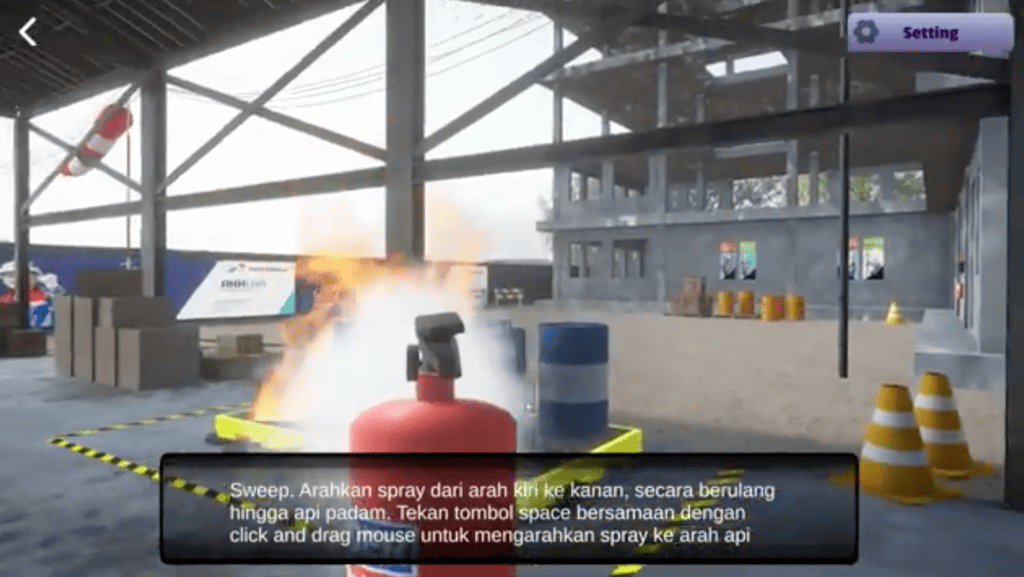
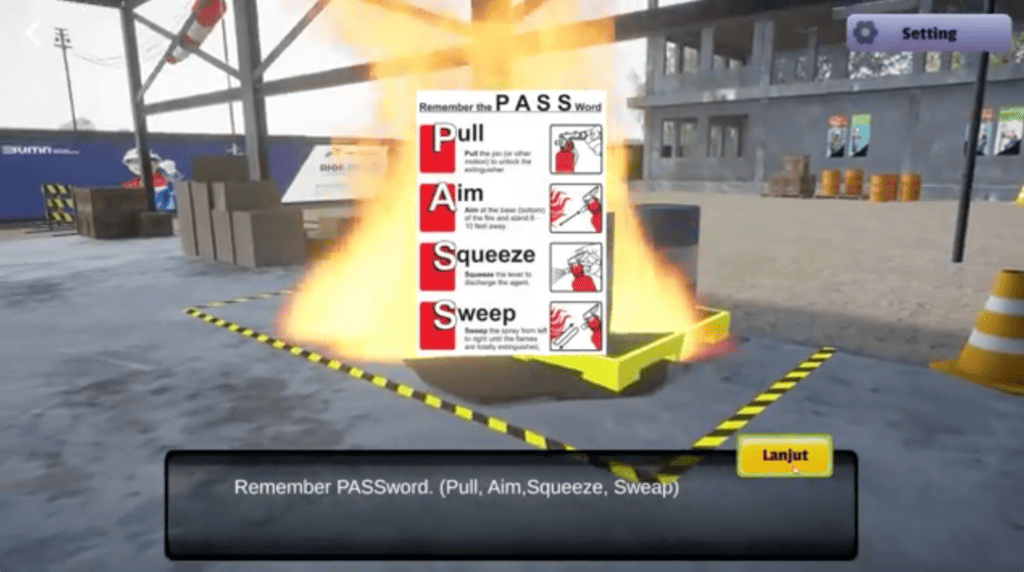
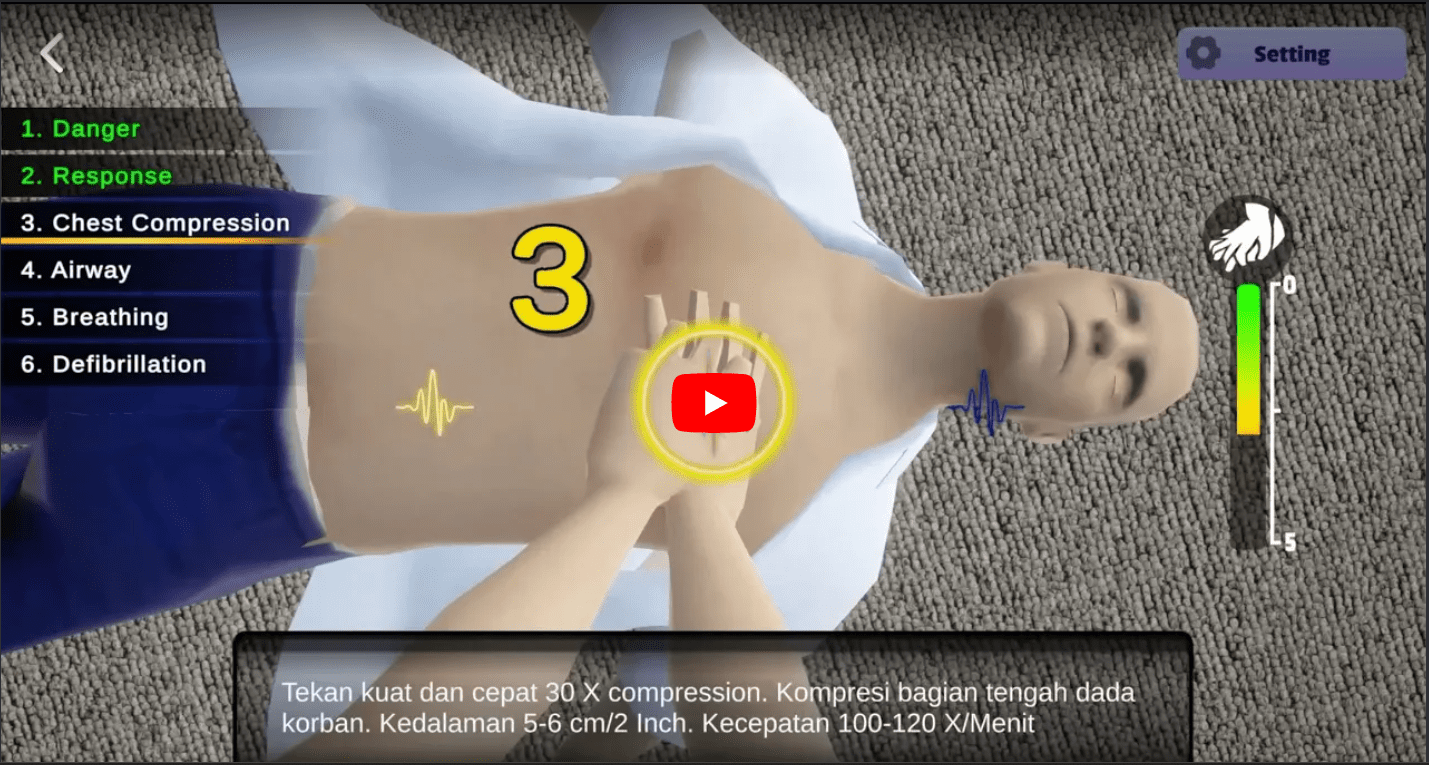
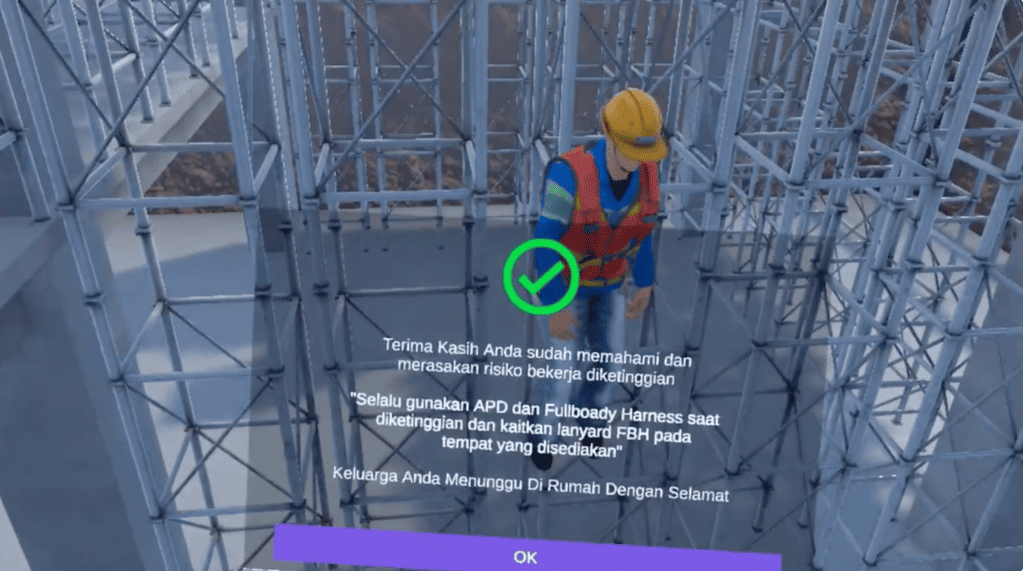
As a leading provider of immersive VR training solutions for work at height, VGLANT scenarios are built specifically around that transition — the moment between “clipped in” and “committed.” A trainee gets to experience the actual sensation of stepping off a platform at height, repeatedly, in a setting where the fall is virtual and the harness never actually has to catch a real body.
Repetition is what closes the gap here, not explanation. The first time doing anything at height carries a hesitation that no lecture removes. The tenth time, in VR, that hesitation has usually already worn off — which means the first time it matters for real, it isn’t the first time at all.
Reading the Data Behind the Pause
VGLANT’s tracking captures exactly how long that commitment pause lasts for each trainee, session over session. A hesitation that shrinks steadily across sessions is a good sign. One that doesn’t move, or gets worse, flags a trainee who may need additional supervised practice before working at height independently — something a signed certification alone would never surface.
What Cutting-Edge Training Actually Changes
Transforming a training program with virtual reality technology, in this context, doesn’t mean replacing the harness or the physical safety course. It means adding the one rep that a physical course structurally can’t offer as many times as needed: the actual moment of stepping into open air, until it stops being the part that gives someone pause.