


The Plan Everyone Memorizes, and Rarely Tests
Every workplace has an evacuation map posted somewhere — a green arrow pointing to the nearest exit, a muster point marked outside. Almost everyone who’s worked there for more than a month can describe the route without looking. What almost nobody has ever had to do is figure out what to do when that specific route isn’t available.
Fires don’t reliably block the exit least convenient to your evacuation plan. Smoke fills a stairwell that was supposed to be clear. A door that’s always open is jammed. The route everyone memorized was correct right up until the moment it wasn’t, and that’s exactly the moment standard evacuation drills rarely simulate.
Training the Decision, Not Just the Route
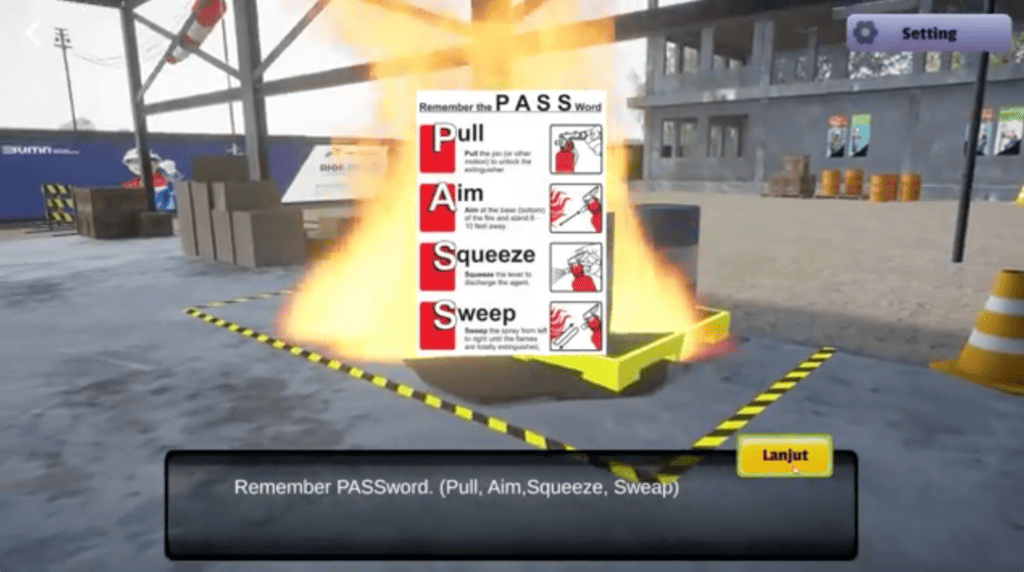
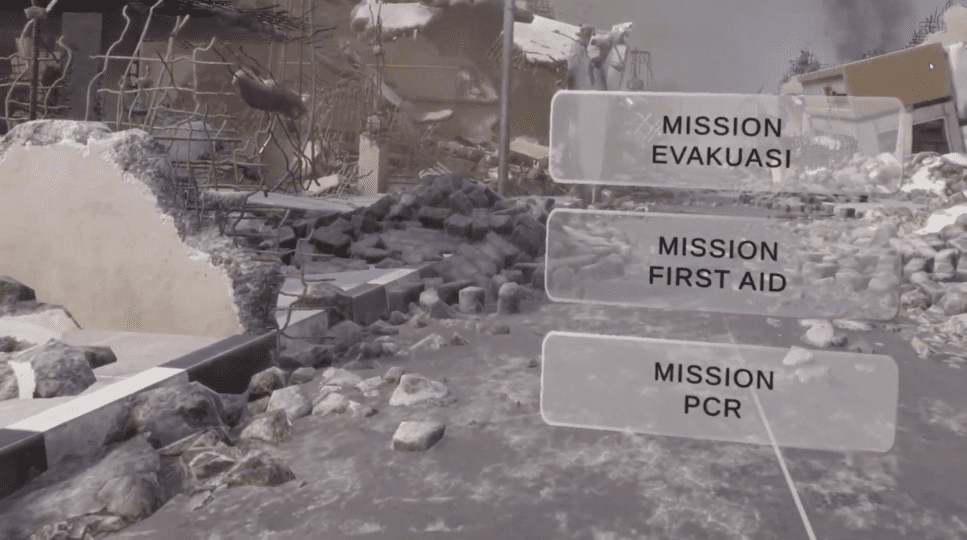
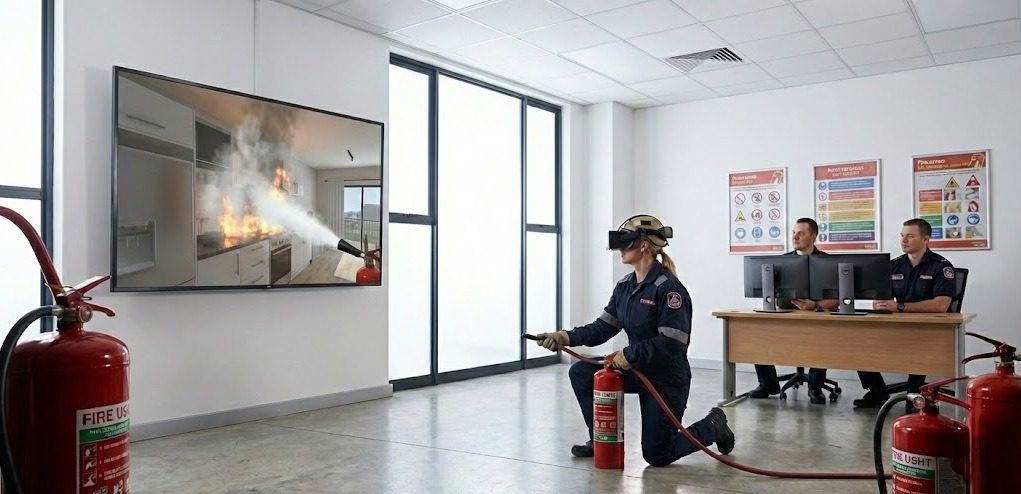
As a leading provider of immersive VR training solutions, VGLANT builds fire evacuation scenarios that deliberately move past the memorized-map problem. A session doesn’t just ask someone to walk the correct route under clear conditions. It puts a trainee in a floor plan where the primary route is compromised — blocked, smoke-filled, or otherwise unusable — and lets the training measure something a conventional fire drill can’t: how someone actually behaves when the plan they were counting on stops working.
That’s a different skill than knowing where the exits are. It’s the ability to reassess quickly, without freezing, when the first instinct doesn’t apply anymore.
What the Data Actually Shows
Each run tracks how long it takes a trainee to recognize the primary route is unusable, and how they move once they do. Some people immediately backtrack and search for an alternative. Others hesitate at the blocked point far longer than they should, still trying to make the familiar route work. That hesitation is the exact behavior a real fire punishes, and it’s nearly impossible to observe in a conventional drill where the exit is never actually blocked.
Transforming How Evacuation Readiness Gets Measured
Cutting-edge virtual reality technology doesn’t change what evacuation procedure requires. It changes what can actually be tested before a real fire forces the question. An organization that only ever drills the primary route knows people can follow a map. VGLANT’s approach is built to answer a harder question — whether they can still get out safely when the map stops being useful.