

The Part After the Fall Gets Stopped
A fall-arrest harness is designed to do exactly one job: stop a fall before it becomes a fatal one. Most work-at-height training focuses heavily on that moment and understandably so — it’s the difference between an incident and a tragedy. What gets far less attention is what happens in the minutes immediately after, while a worker is suspended in a harness waiting for rescue, which carries its own physiological risk if the response is slow or poorly coordinated. That gap — between arresting the fall and getting someone down safely — is exactly what VGLANT’s rescue scenarios are built to train.
Training the Response Team, Not Just the Worker
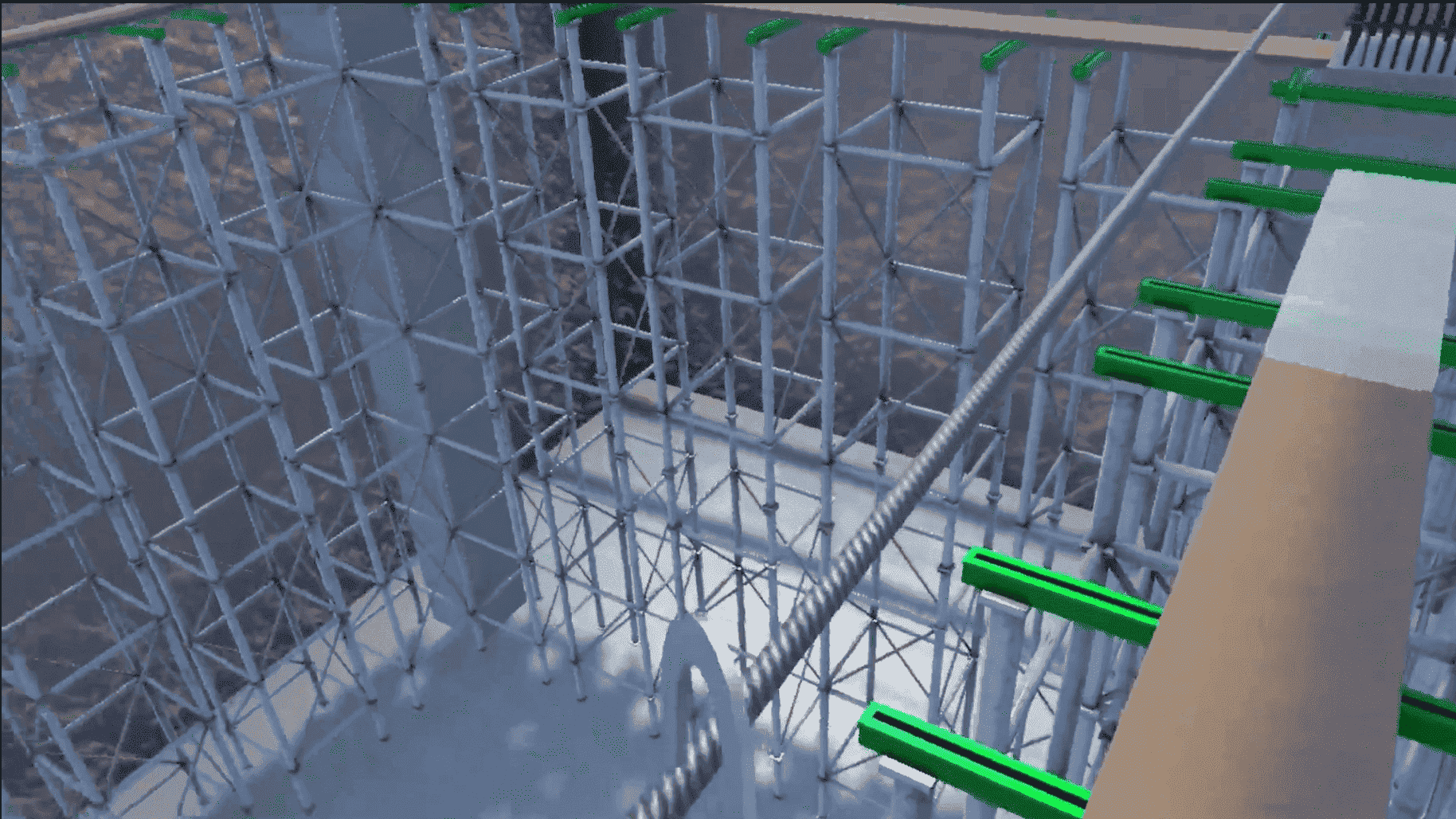
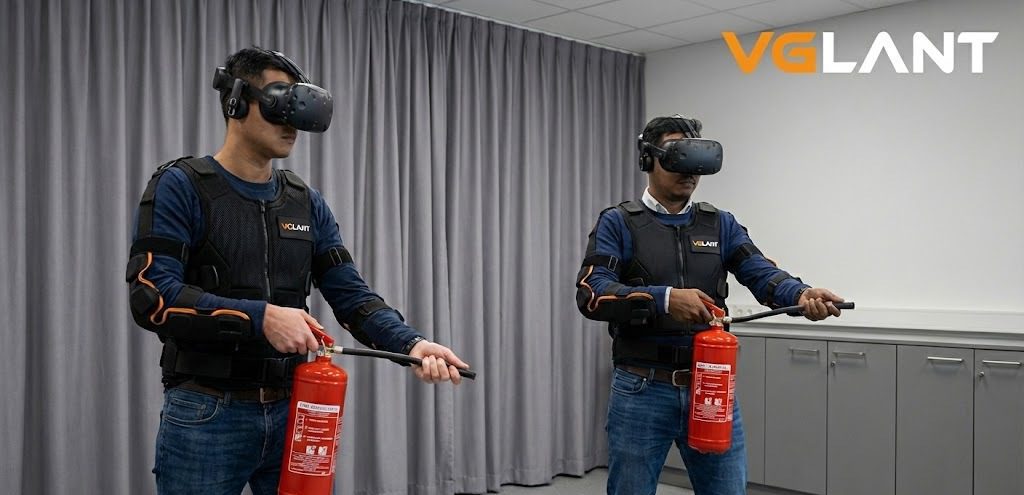
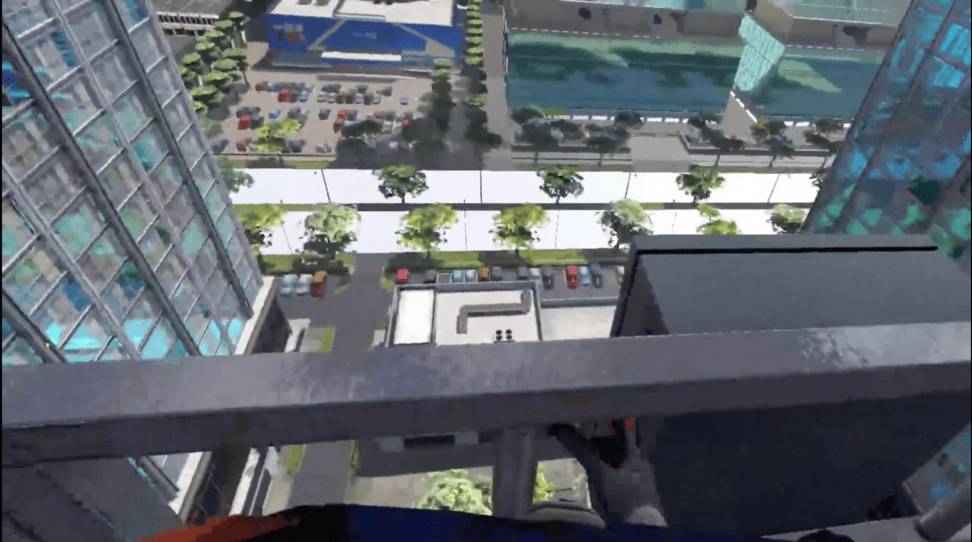
As a leading provider of immersive VR training solutions, VGLANT’s work-at-height module extends past the fall-arrest moment into the rescue response itself. A scenario puts trainees — often the coworkers and site supervisors who’d actually be on the ground — through the decision sequence a real suspension event requires: recognizing the situation, initiating a rescue procedure, and getting a suspended worker down and monitored within the window that actually matters.
This is deliberately a team-level scenario as much as an individual one. A fall-arrest system protects the person who fell. The rescue plan is what protects them next, and that plan only works if the people responsible for executing it have actually rehearsed it under something resembling real time pressure.
Measuring Readiness, Not Just Knowledge
VGLANT’s session tracking captures how quickly a rescue response gets initiated once a suspension event is recognized, and how coordinated the response actually is — whether the right steps happen in the right order, or whether the team is improvising a plan that was supposed to already exist.
Completing the Safety Picture
Cutting-edge virtual reality technology, applied here, isn’t only about training someone to avoid a fall in the first place. It’s about making sure that if a fall does happen and the harness does its job, everything that has to happen next has already been rehearsed — not assumed.