


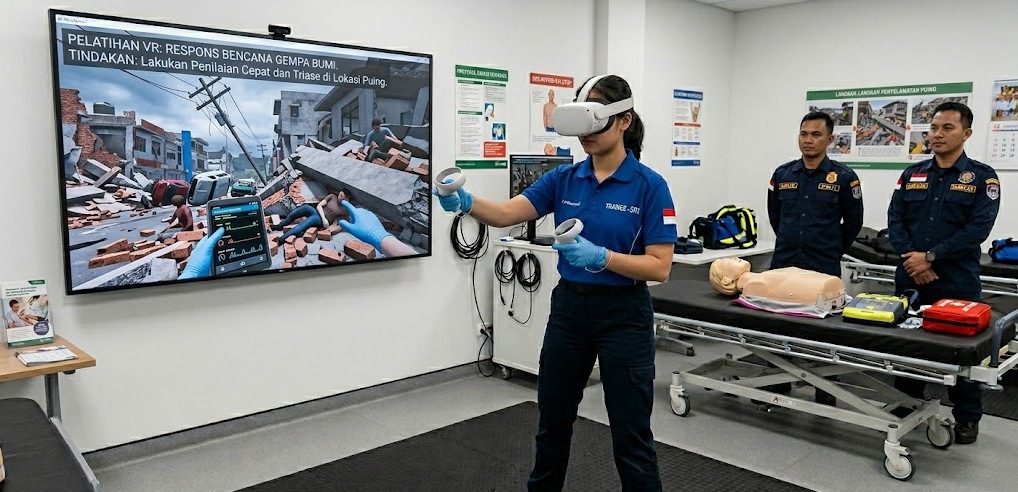
The Scenario Standard First Aid Courses Don’t Cover
Most first-aid certification is built around a single patient. One person is hurt, one responder attends to them, and the course walks through the correct sequence of checks and actions. That’s a reasonable place to start, and it’s also not what a lot of real incidents actually look like. An accident involving machinery, a fall, a fire — these can produce more than one person needing help at the same time, and almost nobody is trained for the specific decision that creates: who do you help first.
Building the Prioritization Reflex
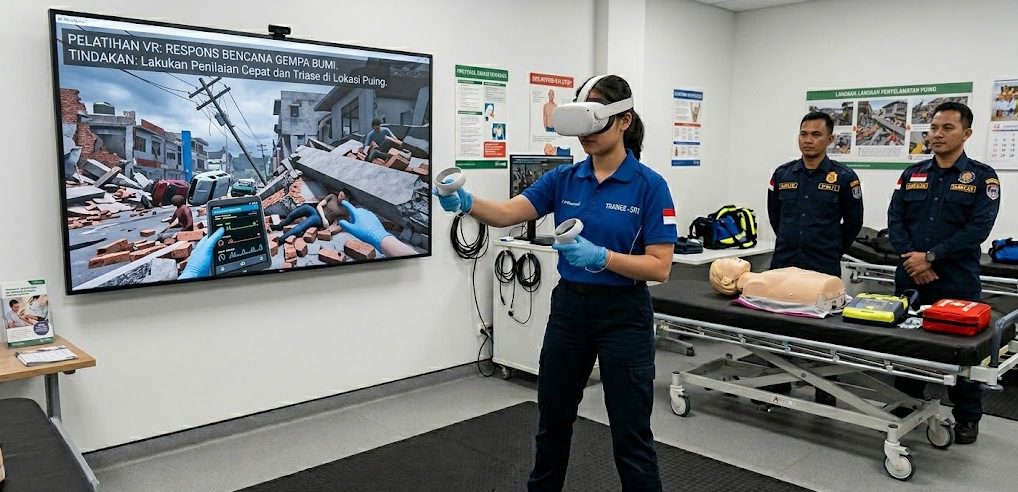
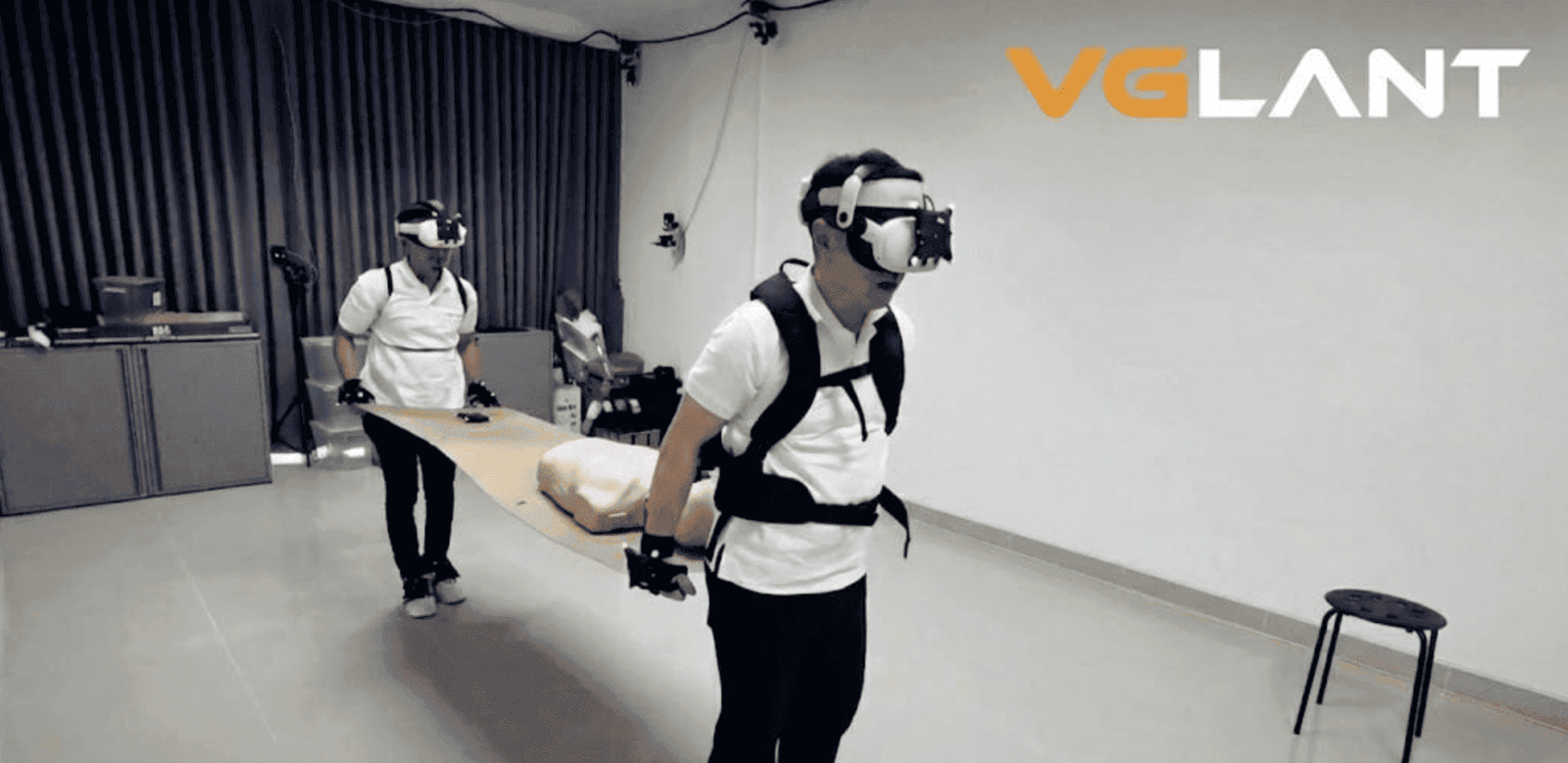
As a leading provider of immersive VR training solutions, VGLANT built a first-aid module specifically around that gap. A scenario presents a trainee with more than one casualty at once, each with a different type and severity of injury, and the training measures something conventional courses generally don’t: the decision-making sequence a trainee uses to determine where to direct attention first.
That decision carries real consequences in the simulation. Spend too long on a less urgent injury while a more critical one goes unaddressed, and the scenario reflects that outcome. Nobody is actually harmed learning the lesson, but the weight of the decision registers the way it would in a real multiple-casualty situation.
What Gets Measured
Session data captures which casualty a trainee approached first, how quickly they assessed severity across multiple people rather than fixating on the first person they reached, and how their attention moved once initial triage decisions were made. That sequence is far more diagnostic than a simple pass or fail on individual first-aid technique, because it tests judgment under a specific kind of pressure single-patient courses never create.
Training for the Situation, Not Just the Technique
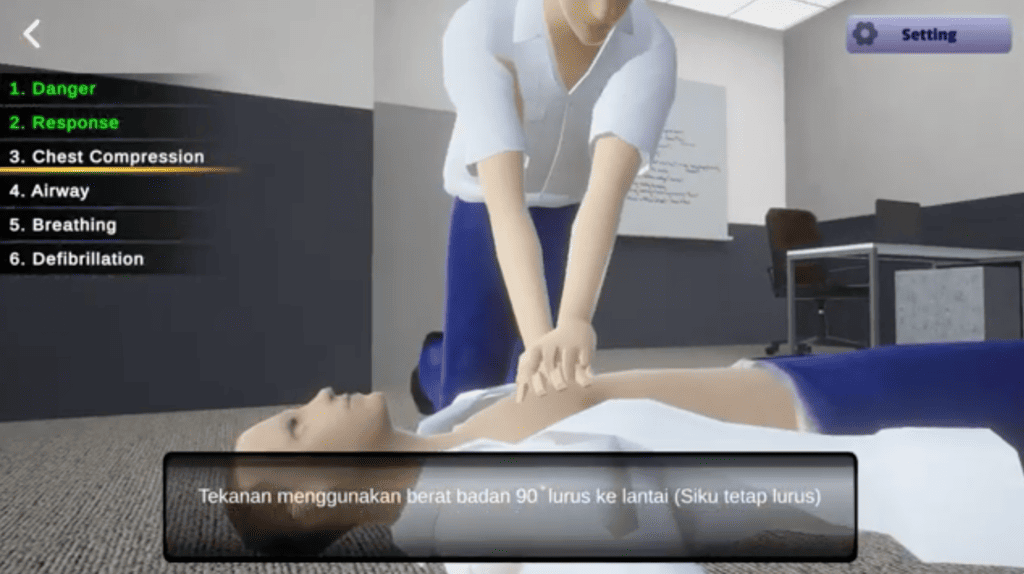
Transforming a first-aid program with cutting-edge virtual reality technology means training for the scenario that’s actually harder to get right — not the individual skill of applying a bandage or checking for breathing, but the prioritization call that has to happen before any of those skills get used. Technique matters. Knowing who needs it first, when more than one person needs it, matters just as much.