

In the architecture of modern risk management, there is a massive gap between paper-based protocols and field execution. Many organizations operate under a dangerous illusion of readiness, assuming that a well-documented SOP (Standard Operating Procedure) equals operational competence. It doesn’t.
Data from major industrial incidents reveals a recurring failure point: when a real crisis hits—whether it’s a total infrastructure collapse or a catastrophic fire—personnel readiness usually evaporates. The bottleneck isn’t a lack of theory. It is the failure of the human brain to function under extreme physiological pressure.
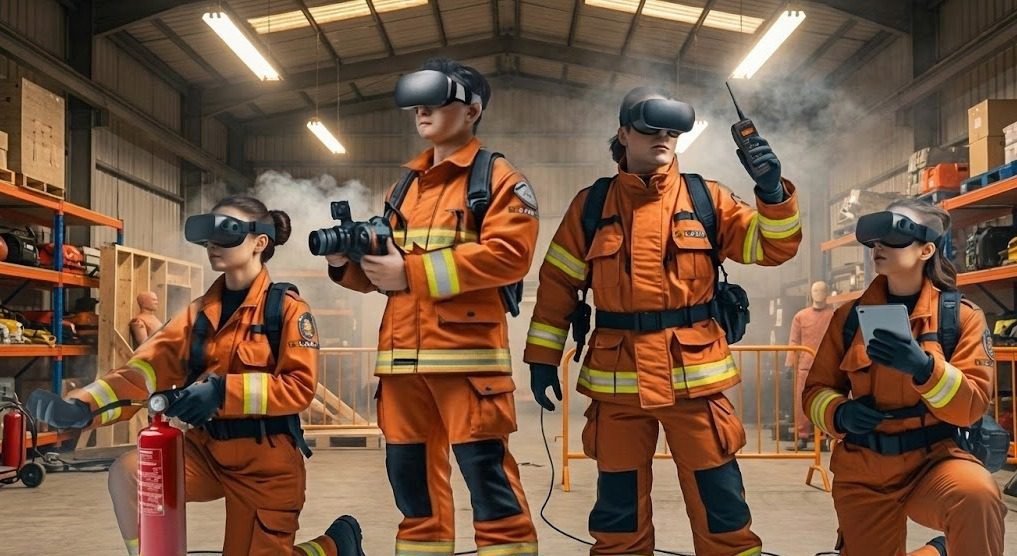
VGLANT’s VR simulation ecosystem re-engineers this pedagogy. It moves training from passive listening to competence validation through immersive experience.
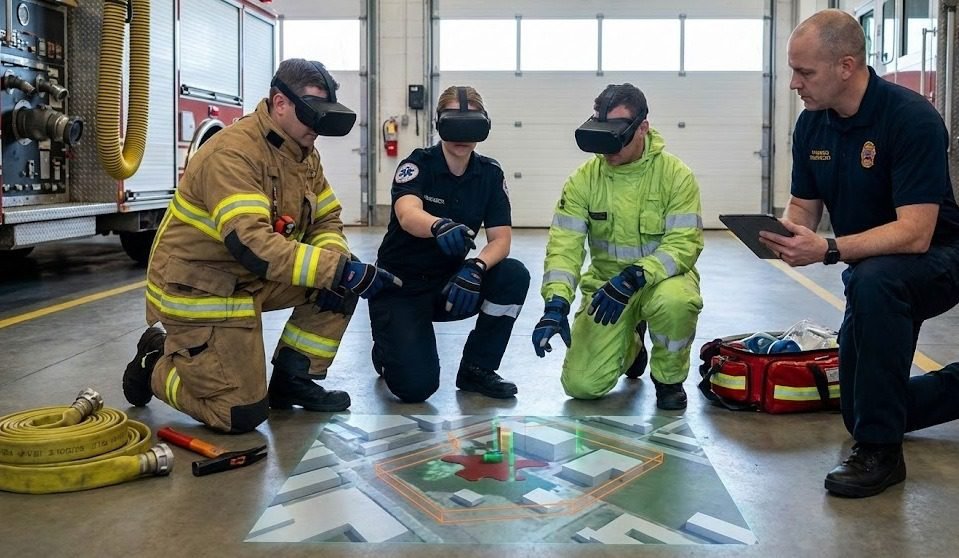
Below is a comprehensive analysis of the five strategic mechanisms by which VR radically elevates crisis preparedness standards.
1. Stress Inoculation: Killing the “Freeze Response”
Neurobiologically, a crisis triggers an “amygdala hijack.” When this happens, the prefrontal cortex—the part of the brain that makes logical decisions—shuts down. The result is paralysis. A classroom lecture cannot fix this biological reflex.
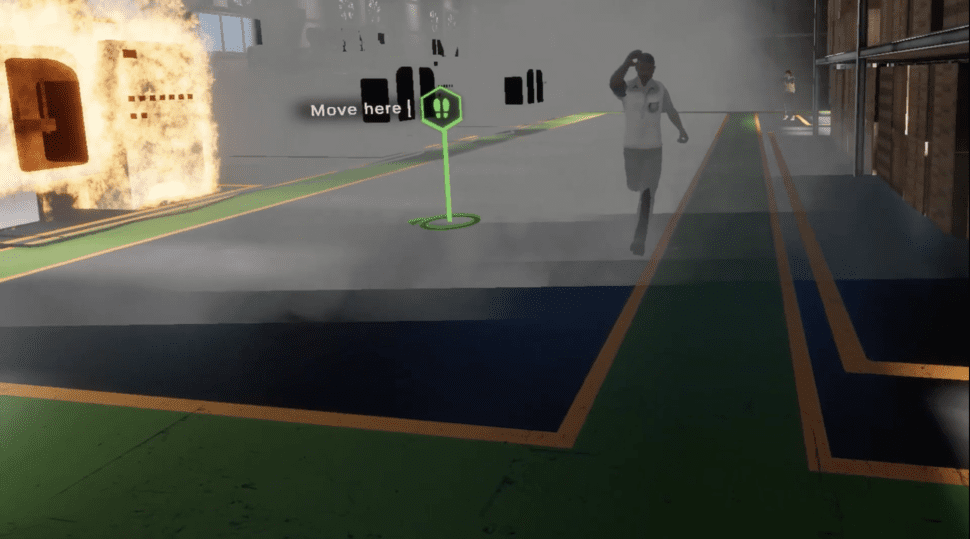
The VGLANT platform provides stress inoculation. By hitting the trainee with intense audio-visual stimuli—screaming alarms, zero-visibility smoke, and tight time windows—the system desensitizes the panic response. We train the brain to maintain operational clarity. The goal is a workforce that executes mitigation protocols with mechanical precision amidst total chaos.
2. Solving the Risk Paradox
There is a paradox in traditional training: to train for a catastrophe, you have to simulate one, which is often logistically impossible or ethically dangerous. You cannot safely stage a reactor meltdown or a lethal gas leak for practice.
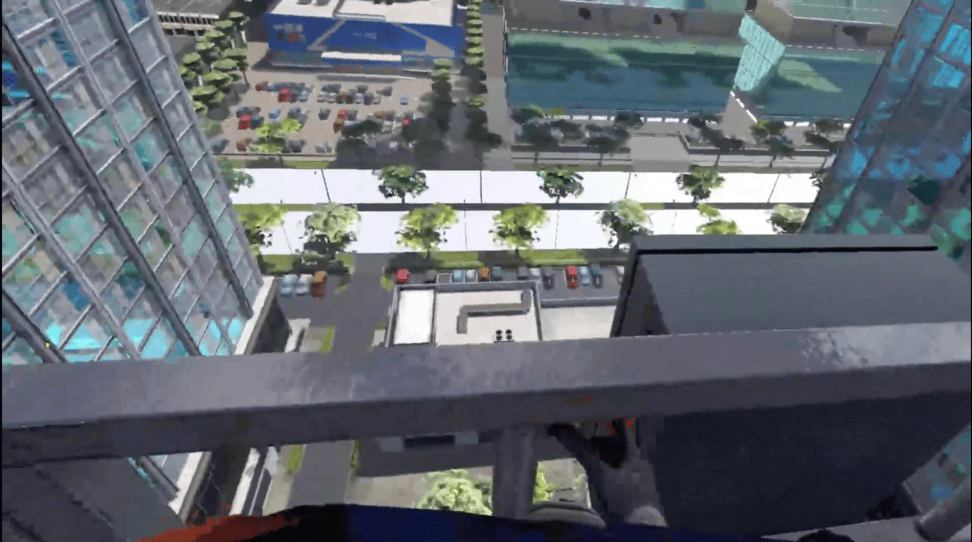
VR enables a “Zero-Risk, High-Fidelity” environment. Trainees are exposed to the fatal consequences of their mistakes without actually dying. This allows a company to push its teams to the absolute limit in worst-case scenarios. If they fail, they fail in the simulator—not in the plant.
3. Kinesthetic Memory and Repetition
Emergency response is a psychomotor skill, not an intellectual one. Speed and accuracy with safety equipment depend on muscle memory. Annual drills aren’t frequent enough to build a reflex.
VR allows for frictionless repetition. Because the marginal cost per session is near zero once deployed, personnel can run critical procedures—like system shutdowns or medical evacuations—hundreds of times. We turn these actions into automatic reflexes that don’t require slow, conscious thought during a crisis.
4. Telemetry-Based Accountability
Manual drills are evaluated subjectively. “He did okay” is not a metric. VGLANT introduces hard, data-driven accountability. Every session generates granular telemetry:
- Reaction Latency: Exactly how many milliseconds did it take to act?
- Sequence Accuracy: Was the protocol followed to the letter under stress?
- Focus Tracking: Where was the trainee’s visual attention during the peak of the crisis?
This data provides management with an auditable risk profile for every employee, allowing for surgical training interventions.
5. Standardizing Competence
For decentralized operations, inconsistent training is a massive latent risk. A worker in a remote mining camp in Kalimantan must have the same skills as an operator at headquarters in Jakarta.
VR simulators act as a centralized curriculum. Identical scenarios and assessment rubrics are distributed digitally across the entire organization. This ensures a homogenization of competence, where everyone is evaluated by the same rigorous standard, regardless of geography.
Conclusion: A Strategic Imperative for Business Resilience
The transition toward virtual simulation-based training is not merely a modernization of learning instruments; it is a strategic move to strengthen operational resilience. In an industrial era characterized by volatility, reliance on obsolete conventional training methods is a liability that cannot be tolerated.
Moving to VR simulation isn’t about being “high-tech.” It is a strategic move to harden operational resilience. In an industrial landscape where the margin for error is shrinking, relying on 1990s-style classroom training is a liability.
VGLANT is an investment in the only asset that matters when things go wrong: human capital readiness.
Technical Solution Reference: https://vglant.xyz/
Contact Us
For an in-depth discussion regarding the integration of VR-based Emergency Response Training into your corporate risk management architecture, please contact our expert team.
Email: enquiry@vglant.com
Call / WhatsApp: +62 812 9696 7887Website: https://www.vglant.com/