

There is an uncomfortable truth in the world of workplace safety that is rarely discussed: Certificates on the wall do not guarantee survival on the floor. We frequently see employees who ace their written exams with perfect scores yet completely freeze when faced with the blood and chaos of a real colleague’s injury.
Why does this “paralysis” happen? Because our conventional training has been focusing on the wrong thing. We train the brain to memorize text, but we forget to train the body to react. A plastic mannequin in a silent, air-conditioned room will never replicate the psychological pressure of a severed artery at a noisy construction site.
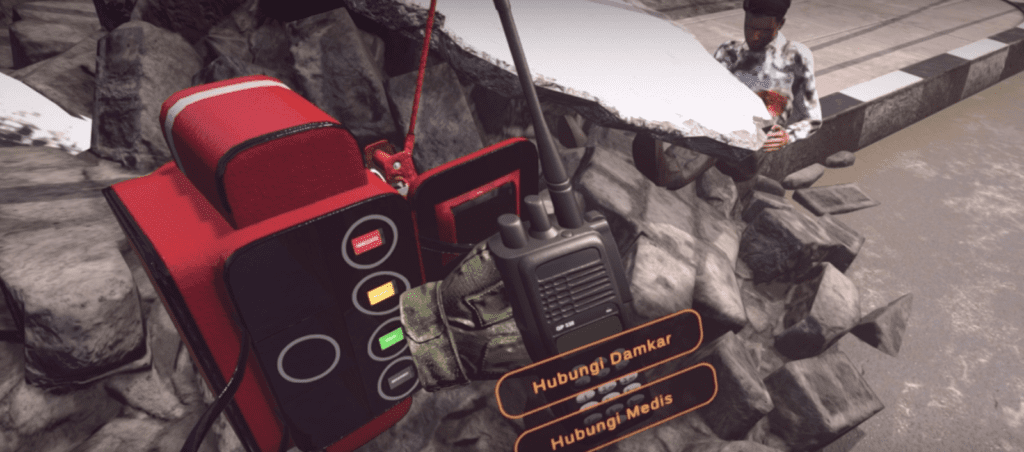
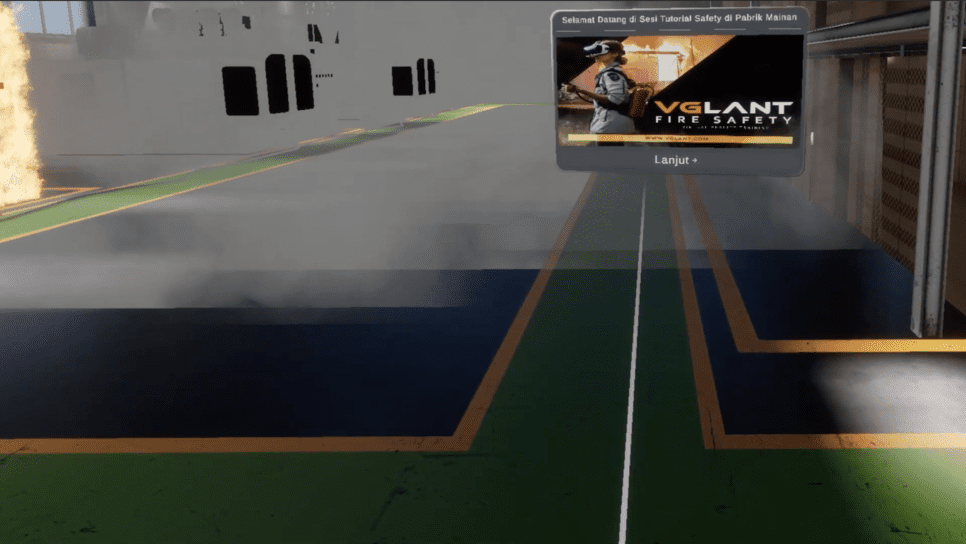
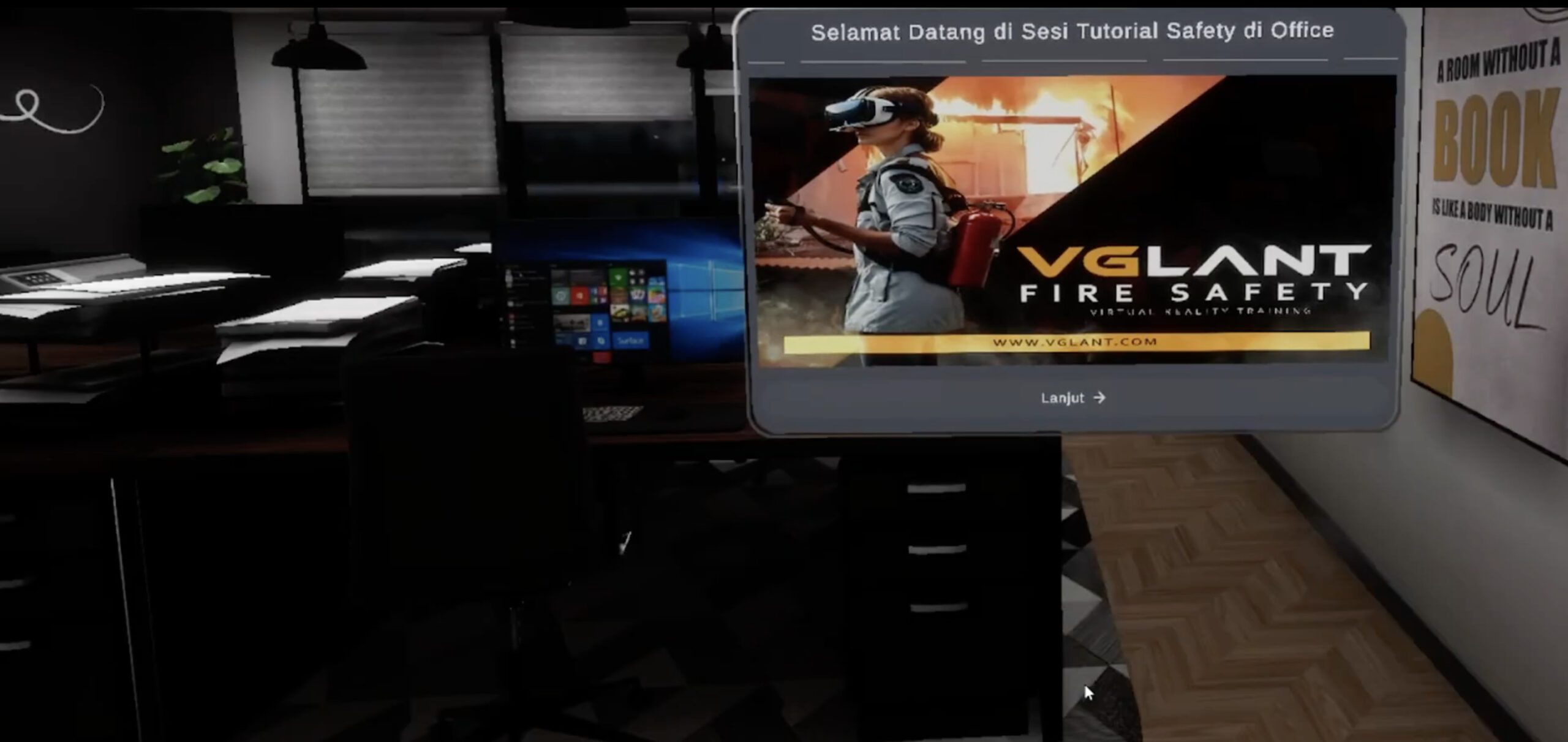
This is where VGLANT enters the equation. Virtual Reality (VR) is not just a visual upgrade; it is a fundamental shift in how humans absorb survival skills. Based on behavioral data and neuroscience, here are 5 concrete reasons why VR transforms average staff into resilient medical responders.
1. Hijacking the “Forgetting Curve”
Let’s be honest about human memory. Psychological research shows that without practice, we lose nearly 90% of new information within a month. Traditional First Aid training is often passive and tedious—sitting still for four hours listening to PowerPoint slides.
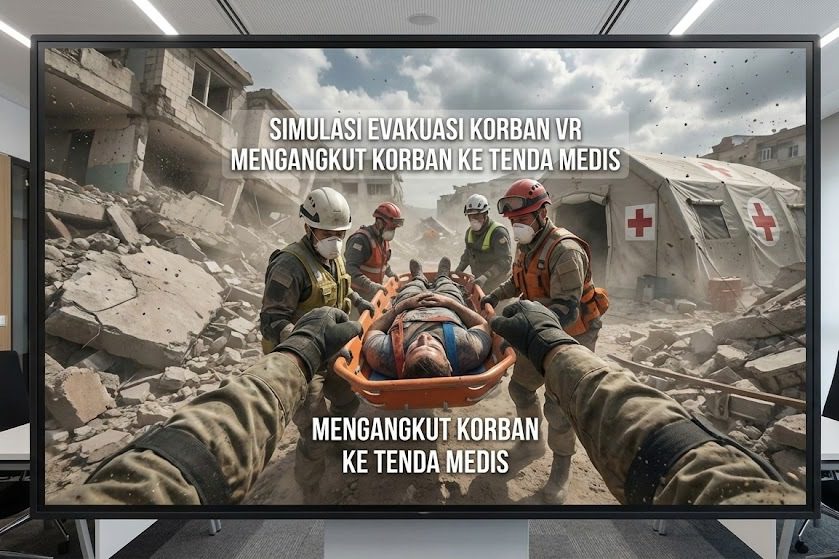
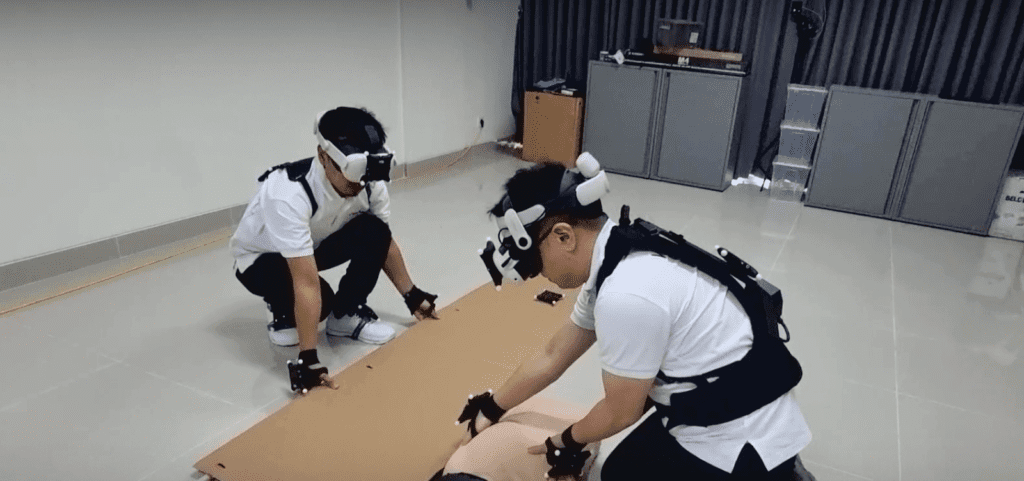
VR is the antithesis of boredom. It is active learning. When trainees use vglant to perform first aid treatment, their brains aren’t just “hearing” instructions; they are “living” the scenario. This multi-sensory engagement (visual, audio, kinetic) creates a powerful episodic memory trace. The result? Six months after training, your employees still remember the exact triage sequence—not because they memorized a list, but because they have “been there.”
2. Turning Theory into Muscle Reflex
In a crisis, you don’t have time to think, “Hmm, what was step one again?” You need reflex. The challenge with old-school training is the lack of repetition. A trainee might get to touch the CPR dummy once a year because the class size is too big.
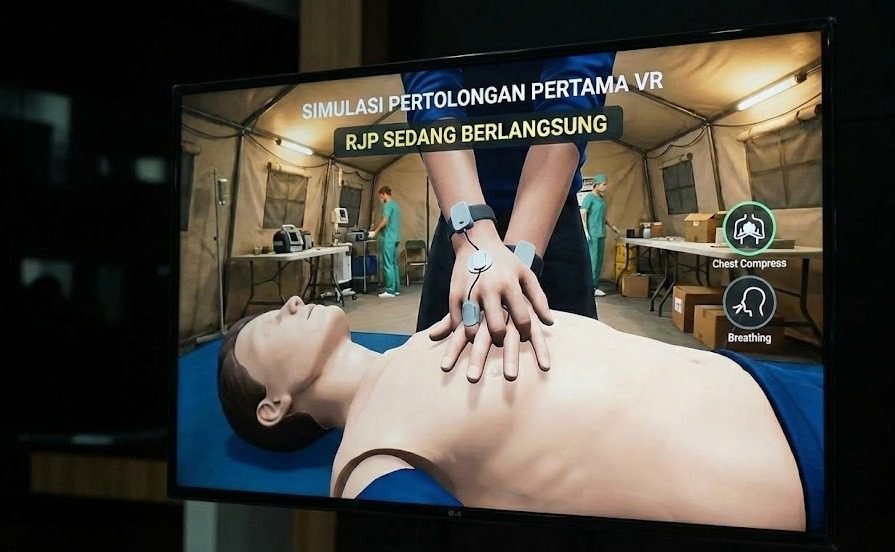
In the virtual world, the “Reset” button is the most valuable feature. Trainees can perform CPR 20, 30, or 50 times in a single session until their hands move automatically. VR builds muscle memory. When a real incident occurs, their hands are already moving to apply compression before their conscious brain has even finished processing the panic.
3. Stress Inoculation: Training in the Chaos
Bandaging a wound in a quiet classroom is easy. But try doing it when sirens are wailing, smoke is billowing, and the victim is screaming in pain.
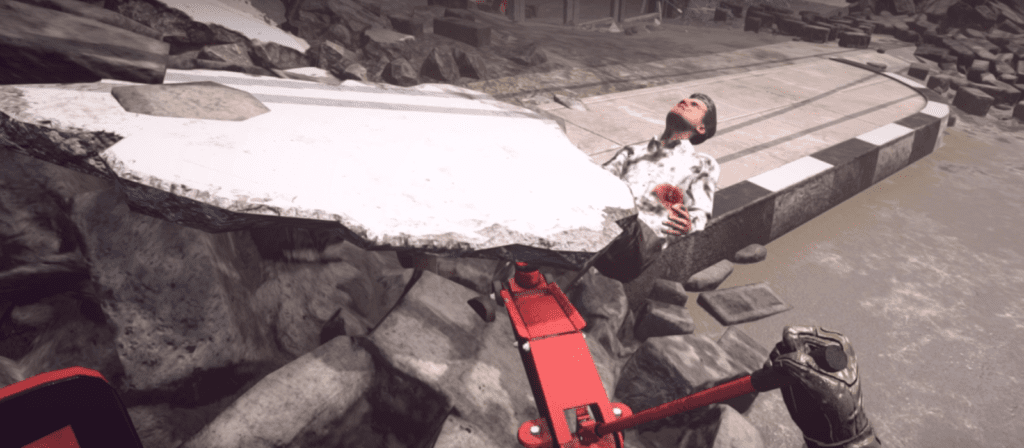
The biggest weakness of mannequins is that they are “too calm.” VGLANT introduces the Chaos Factor. Trainees are forced to focus and execute medical procedures amidst intense audio-visual distractions. This is “Stress Inoculation”—the same technique used by the military. The goal is simple: so that when the actual chaos hits, your employees aren’t shocked. They have virtually “been there” before.
4. Cruel but Honest Data
“I think the pressure was okay.” “That seemed like enough rescue breaths.”
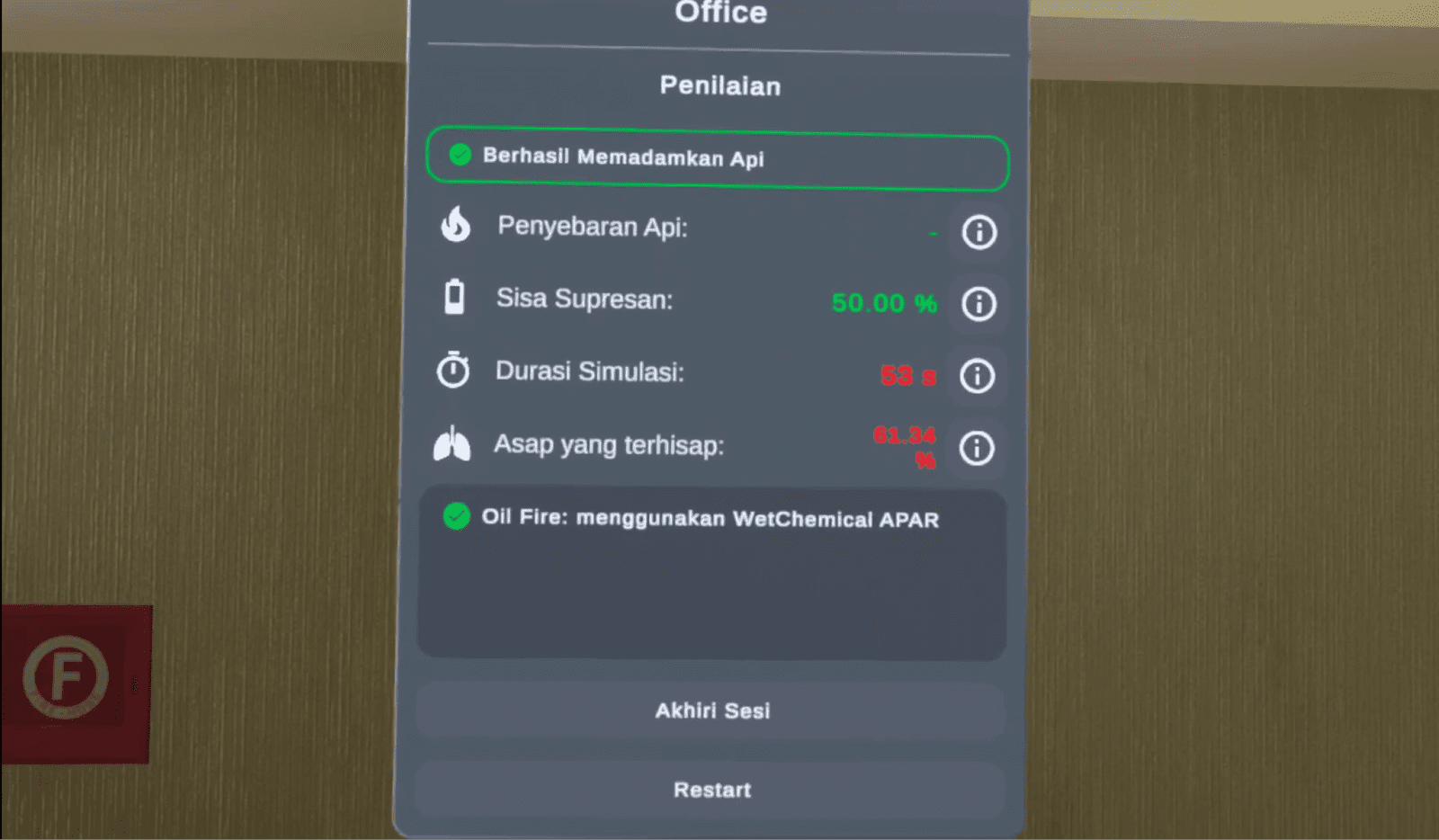
These hesitant phrases are dangerous. Human instructors are often biased or too polite to fail a student. VR sensors have no feelings. They only have data. The VGLANT system tracks micro-metrics that the naked eye misses:
Was the chest compression depth consistently at 5-6 cm?
How many milliseconds were wasted due to hesitation?
Was the head tilted at the precise angle to open the airway?
This data provides feedback that is brutal but constructive. You know exactly who is field-ready and who needs retraining, eliminating the guesswork.
5. A Safe Space for Fatal Errors
The paradox of learning to save lives is this: the best way to learn is by making mistakes. But in the real world, mistakes mean death.
VR offers a luxury the real world cannot: the opportunity to fail without consequences. In a VGLANT simulation, if a trainee applies a tourniquet too loosely, they see the vital impact on the virtual victim. Experiencing the bad outcome (“Oh, if I am too slow, this patient dies”) delivers a profound emotional impact, teaching the consequences of discipline without endangering a single soul.
Conclusion: Readiness is Not a Coincidence
Investing in VR for first aid treatment training isn’t about chasing a tech trend. It is about safety mathematics. With costs becoming more efficient and retention results significantly higher, the old methods are becoming harder to justify.
Don’t wait for an accident to happen to realize your team was only ready on paper.
Contact Us
Ready to see the difference?
Schedule a demo to see how VGLANT turns data into saved lives.
Call / WhatsApp: +62 812 9696 7887
Email: inquiry@vglant.com
Website: www.vglant.com