

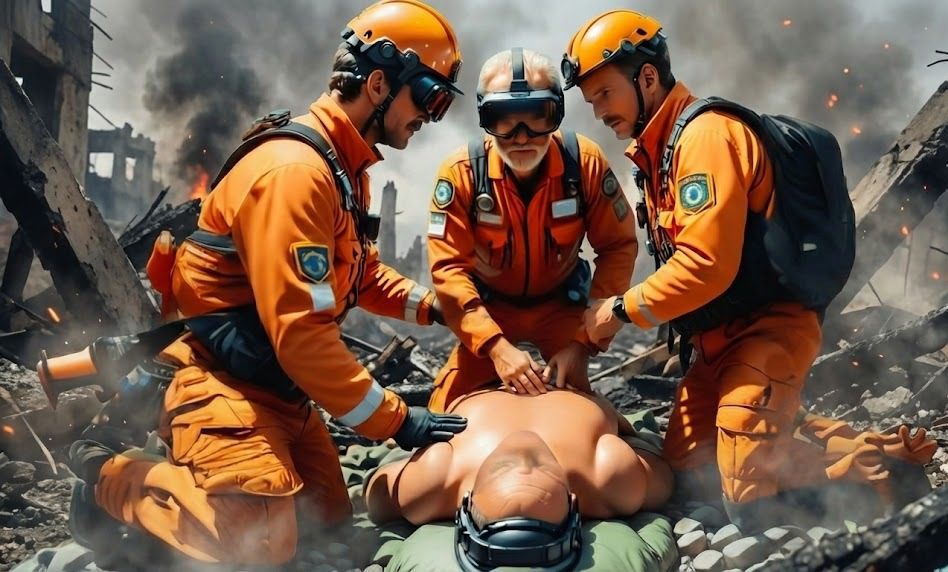
A framed First Aid certificate on the office wall looks reassuring. But there is an uncomfortable question that few Safety Managers ask out loud: If an accident happens right now, is your staff actually ready, or have they just memorized a textbook?
Field statistics are unforgiving. When a real crisis hits, human error rates spike dramatically. This isn’t a failure of intelligence; it is a psychological collapse. This is where technology steps in—not to replace the instructor, but to bridge the dangerous gap between classroom theory and the chaos of reality.
Why are global companies pivoting to VGLANT simulations for emergency medical training? It isn’t because the tech is flashy. It’s because the data proves VR suppresses the errors that lead to fatalities.
Here is the breakdown.
1. Breaking the “Cortisol Freeze”
Let’s be honest about human biology. When an untrained person sees heavy bleeding or a colleague collapsing, the primitive brain takes over. Cortisol floods the nervous system. The result? The Freeze. A brilliant employee can pass a written exam with flying colors yet stand paralyzed when faced with a real emergency.
Conventional training involving a plastic mannequin in a quiet, air-conditioned room simply cannot replicate this pressure.
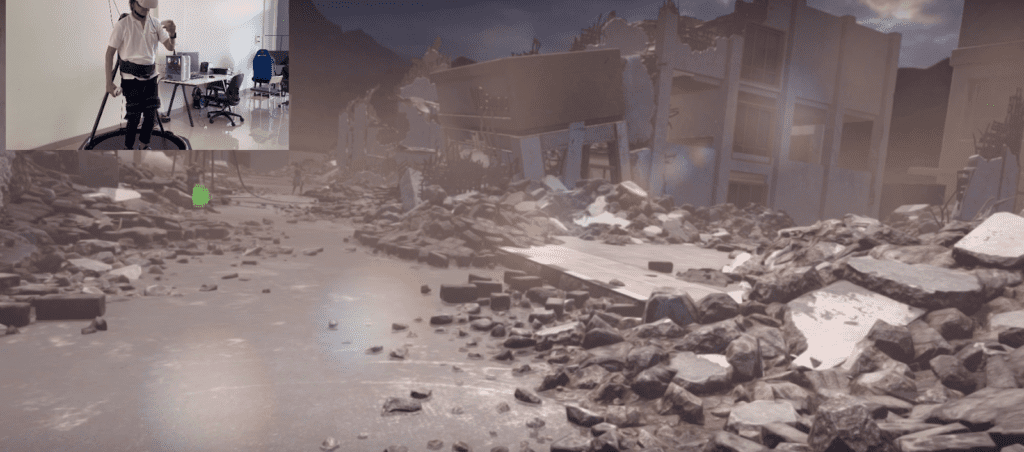
VR works differently. Platforms like VGLANT provide “Stress Inoculation.” Trainees are dropped into virtual scenarios that are loud, chaotic, and urgent. Their heart rates elevate. By habituating the brain to this sensory overload repeatedly, the panic response is eroded. When a real incident occurs, the brain doesn’t shock-out. It recognizes the pattern. They act, rather than freeze.
2. Muscle Memory: Hands That Remember
There is a massive canyon between knowing how to apply pressure to a wound and doing it with the correct force.
Classic learning theory tells us we forget about 70% of what we hear within 24 hours if we don’t apply it. In the old model, staff might touch a prop once a year. That is nowhere near enough.
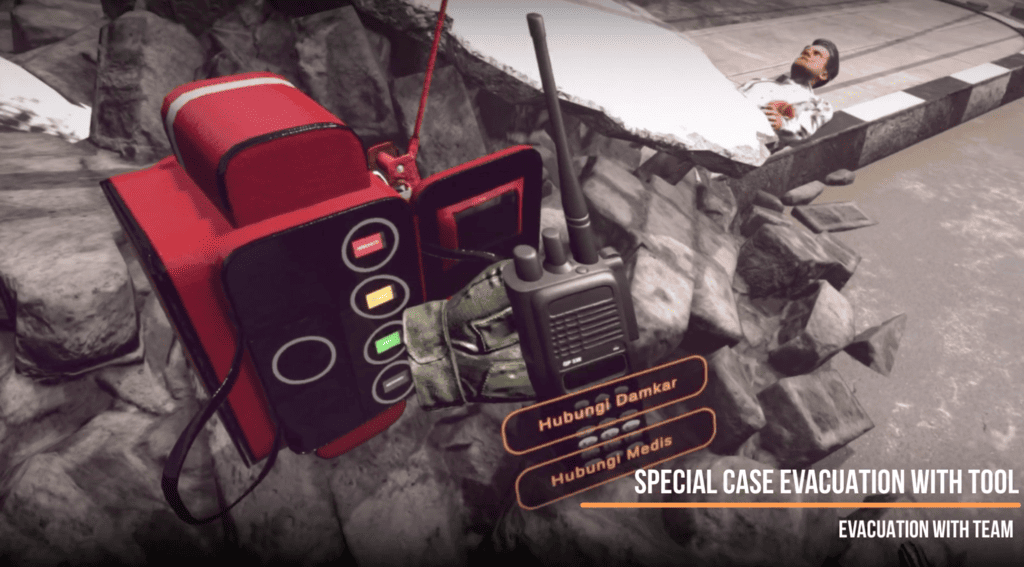
In VR simulation, learning is kinesthetic. The trainee must physically move their hands, kneel, check for a pulse, and perform compressions. This builds muscle memory. Just like riding a bike, the body “remembers” the correct first aid treatment movements without needing to access cognitive memory, which is often sluggish under stress.
3. Killing the “Bystander Effect”
Have you ever watched a mass training session where one person practices CPR while ten others watch and chat? This is a fatal flaw. Many employees get certified by simply being in the room.
Psychologically, this breeds Social Loafing—the tendency to rely on others when working in a group. “Someone else surely knows what to do,” they think when an accident happens.
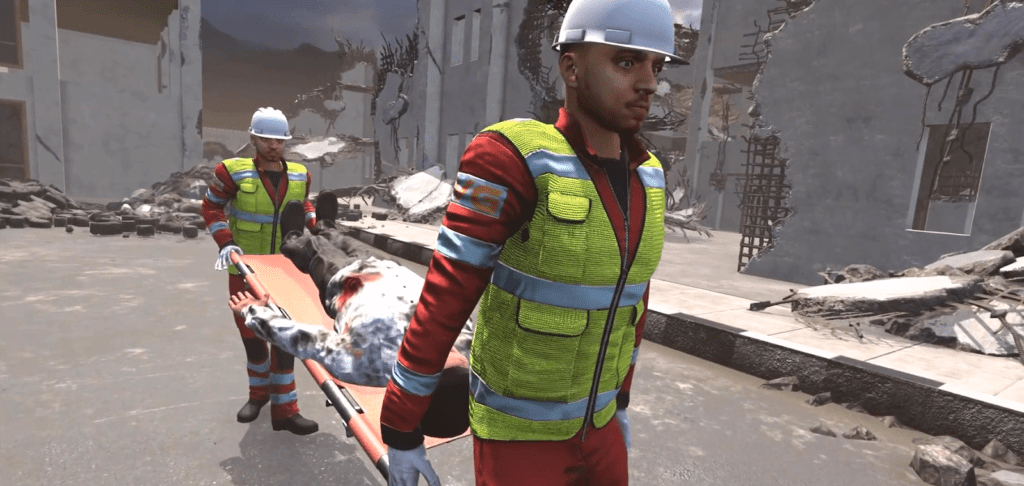
VR denies the trainee a place to hide. When the headset goes on, the outside world vanishes. The trainee is alone. They are the sole responder in the scenario. This isolation forces total accountability. They are compelled to make life-or-death decisions independently. A graduate of VGLANT VR training is an initiator, not a spectator.
4. Data Has No Feelings
“That looks like the bandage is tight enough.”
“The CPR rhythm seems okay.”
These subjective phrases are the enemies of safety standards. Human assessment is often biased, polite, and inconsistent.
VGLANT technology turns opinion into hard metrics. The system doesn’t guess; it measures.
Was the pause between chest compressions too long?
Was the triage priority assigned correctly according to protocol?
How many seconds were wasted due to hesitation?
This data provides a brutally honest “report card.” Management can clearly see who is competent and who would be a liability in the field. This isn’t about punishment; it’s about ensuring that when we talk about saving lives, we aren’t leaving anything to chance.
The New Reality of Safety
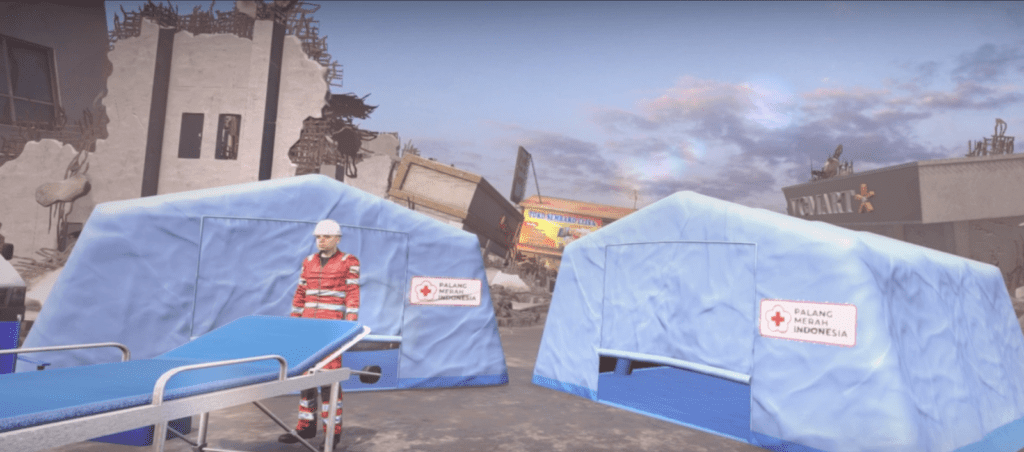
Reducing human error in first aid isn’t about adding more lecture hours. It’s about changing how the brain and body absorb information. Investing in technology like VGLANT is not just an IT expense; it is operational insurance to guarantee that when the “Golden Hour” arrives, your team is ready to win it.
Contact Us
Discover how VGLANT transforms workforce readiness with precise data and immersive simulation.
Call / WhatsApp: +62 812 9696 7887
Email: inquiry@vglant.com
Website:www.vglant.com